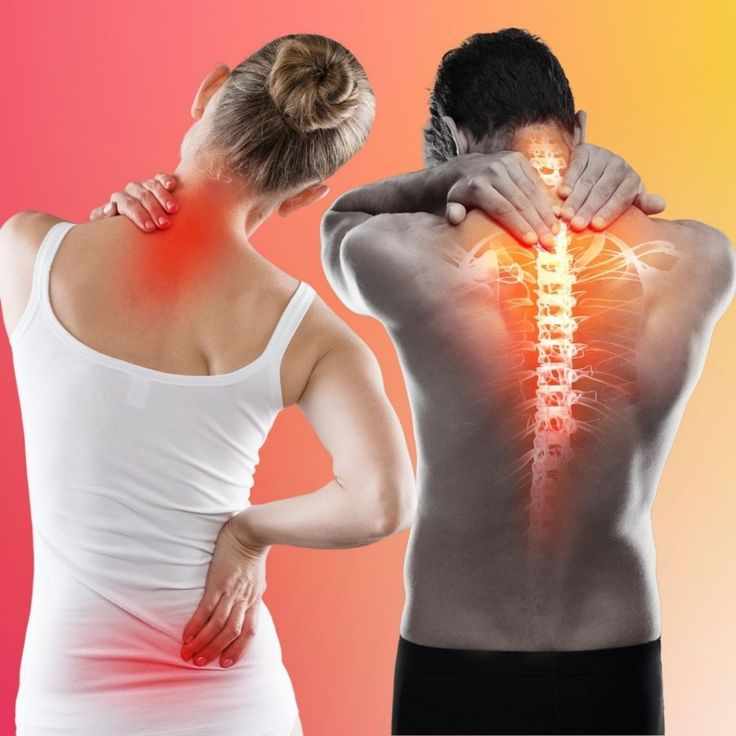
Muscle spasms and spasticity are common conditions that affect many people worldwide. They can cause pain, stiffness, and difficulty in movement. Some people experience mild muscle tightness, while others suffer from severe muscle stiffness that affects daily life.
Understanding the treatment options can help you manage symptoms better and improve your quality of life.
What Are Muscle Spasms and Spasticity?
Muscle spasms are sudden and involuntary muscle contractions. They can happen due to dehydration, injury, stress, or nerve problems.
Spasticity is a condition where muscles become stiff and difficult to control. It often happens due to damage to the brain or spinal cord, such as in multiple sclerosis, stroke, or spinal cord injury.
Doctors often prescribe medications like Baclof 10 mg Tablet to help relax muscles and reduce stiffness. Baclofen is widely used to provide tight muscle relief and improve movement.
Common Causes of Muscle Spasms and Spasticity
Muscle spasms and spasticity can happen for many reasons. Some of the most common causes include:
Nerve damage
Spinal cord injury
Stroke
Multiple sclerosis
Muscle injuries
Dehydration
Overuse of muscles
Poor posture
Understanding the cause helps doctors choose the right treatment.
Symptoms of Muscle Spasms and Spasticity
Symptoms vary depending on the condition and severity.
Common Symptoms
Muscle stiffness
Sudden muscle contractions
Pain and discomfort
Limited movement
Muscle weakness
Fatigue
Severe spasticity can make walking, speaking, or daily tasks difficult.
Medication Treatment Options
Medications play an important role in treating muscle spasms and spasticity. Doctors prescribe muscle relaxants to reduce muscle tightness and pain.
1. Baclofen (Baclof 10 mg Tablet)
Baclofen is one of the most commonly used medicines for spasticity. It works on the central nervous system to relax muscles. Doctors prescribe it for conditions like multiple sclerosis and spinal cord injuries.
2. Tizanidine
Tizanidine is another muscle relaxant that reduces muscle tone and spasms.
3. Cyclobenzaprine
This medicine is often used for short-term muscle spasms caused by injuries.
4. Methocarbamol
Methocarbamol helps relieve muscle spasms caused by painful conditions.
Always follow your doctor’s instructions when using muscle relaxants.
Non-Medication Treatment Options
Medications are not the only solution. Many non-drug therapies help manage muscle spasms and spasticity effectively.
Physical Therapy
Physical therapy is one of the best treatments for muscle stiffness. Therapists use exercises and stretching to improve muscle flexibility and strength.
Benefits include:
Improved mobility
Reduced stiffness
Better posture
Less pain
Stretching and Exercise
Regular stretching keeps muscles flexible and reduces spasms. Gentle exercises like walking, swimming, and yoga can help improve muscle control.
Massage Therapy
Massage increases blood flow and relaxes tight muscles. It is helpful for chronic muscle stiffness and pain.
Hot and Cold Therapy
Heat therapy relaxes tight muscles and improves circulation.
Cold therapy reduces swelling and inflammation.
Alternating between heat and cold can provide fast relief.
Lifestyle Changes for Muscle Health
Simple lifestyle changes can help reduce muscle spasms and spasticity.
Stay Hydrated
Dehydration can cause muscle cramps and spasms. Drink enough water daily.
Maintain Good Posture
Poor posture puts pressure on muscles and nerves. Use ergonomic chairs and maintain proper posture.
Eat a Balanced Diet
Foods rich in magnesium, potassium, and calcium support muscle health.
Get Enough Sleep
Sleep helps muscles recover and reduces fatigue.
Advanced Medical Treatments
For severe cases, doctors may recommend advanced treatments.
Botulinum Toxin Injections
Botox injections reduce muscle stiffness by blocking nerve signals. They are often used for localized spasticity.
Intrathecal Baclofen Pump
In severe spasticity, doctors may implant a pump that delivers baclofen directly into the spinal fluid. This provides strong muscle relaxation with fewer side effects.
Surgery
In rare cases, surgery may be needed to release tight muscles or correct nerve problems.
Muscle Spasticity Treatment in Canada and Australia
In Canada and Australia, muscle relaxants and spasticity treatments are carefully regulated. Doctors follow strict guidelines to prevent misuse and ensure patient safety.
Healthcare providers in these countries often combine medications with physical therapy and lifestyle changes for the best results.
Side Effects of Muscle Relaxants
Muscle relaxants are effective, but they may cause side effects.
Common Side Effects
Drowsiness
Dizziness
Weakness
Nausea
Dry mouth
Serious Side Effects
Breathing problems
Allergic reactions
Confusion
Low blood pressure
Always report serious side effects to a healthcare professional.
How to Use Muscle Relaxants Safely
Follow these tips to use muscle relaxants safely:
Take the exact dose prescribed
Avoid alcohol while using muscle relaxants
Do not drive if you feel sleepy
Do not stop suddenly without medical advice
Store medicines safely
Natural Remedies for Muscle Spasms
Some natural remedies can support muscle relaxation.
Magnesium Supplements
Magnesium helps prevent muscle cramps and spasms.
Herbal Remedies
Herbs like chamomile and valerian root may relax muscles and reduce tension.
Relaxation Techniques
Meditation and deep breathing reduce stress-related muscle tightness.
When to See a Doctor
You should see a doctor if:
Muscle spasms are frequent or severe
Spasticity affects daily activities
You experience numbness or weakness
Pain does not improve with home treatments
Early diagnosis helps prevent complications.
Combining Treatments for Best Results
The best way to treat muscle spasms and spasticity is to combine multiple approaches:
Medication
Physical therapy
Exercise
Lifestyle changes
Psychological support
This holistic approach improves long-term outcomes.
Final Thoughts: Best Treatment Options for Muscle Spasms and Spasticity
Muscle spasms and spasticity can be painful and disruptive, but many effective treatment options are available. Medications like Baclofen help relax muscles, while therapy, exercise, and lifestyle changes support long-term muscle health.
Always consult a healthcare professional before starting any treatment. With the right plan, you can manage muscle stiffness, improve movement, and enjoy a better quality of life.

Write a comment ...